
Inside Olmos Park: San Antonio's Best-Kept Secret for Luxury Living
Alamo Heights gets the headlines — but Olmos Park is where serious San Antonio buyers want to be. Scott C. Peck of JBGoodwin REALTORS breaks down what makes this independent enclave so rare, what it costs to get in, and why the people who buy here almost never leave.
Inside Olmos Park: San Antonio's Best-Kept Secret for Luxury Living
If you have spent any time exploring San Antonio real estate, you have almost certainly heard of Alamo Heights. But ask any seasoned buyer who has done their homework, and many will quietly tell you the same thing: Olmos Park is where they actually want to be.
I'm Scott C. Peck, Broker Associate and Business Development Director at JBGoodwin REALTORS® in San Antonio. I have sold homes across this city for years, and Olmos Park remains one of the neighborhoods I get asked about most — often by buyers who discover it for the first time and cannot believe it was sitting right there all along.
What Makes Olmos Park Unlike Anywhere Else in San Antonio
Olmos Park is an independent municipality entirely surrounded by the City of San Antonio — a 0.6-square-mile enclave just north of Alamo Heights and south of the Broadway Corridor. It has its own city government, its own police department, and a fiercely protective community that has maintained strict zoning and development standards for nearly a century.
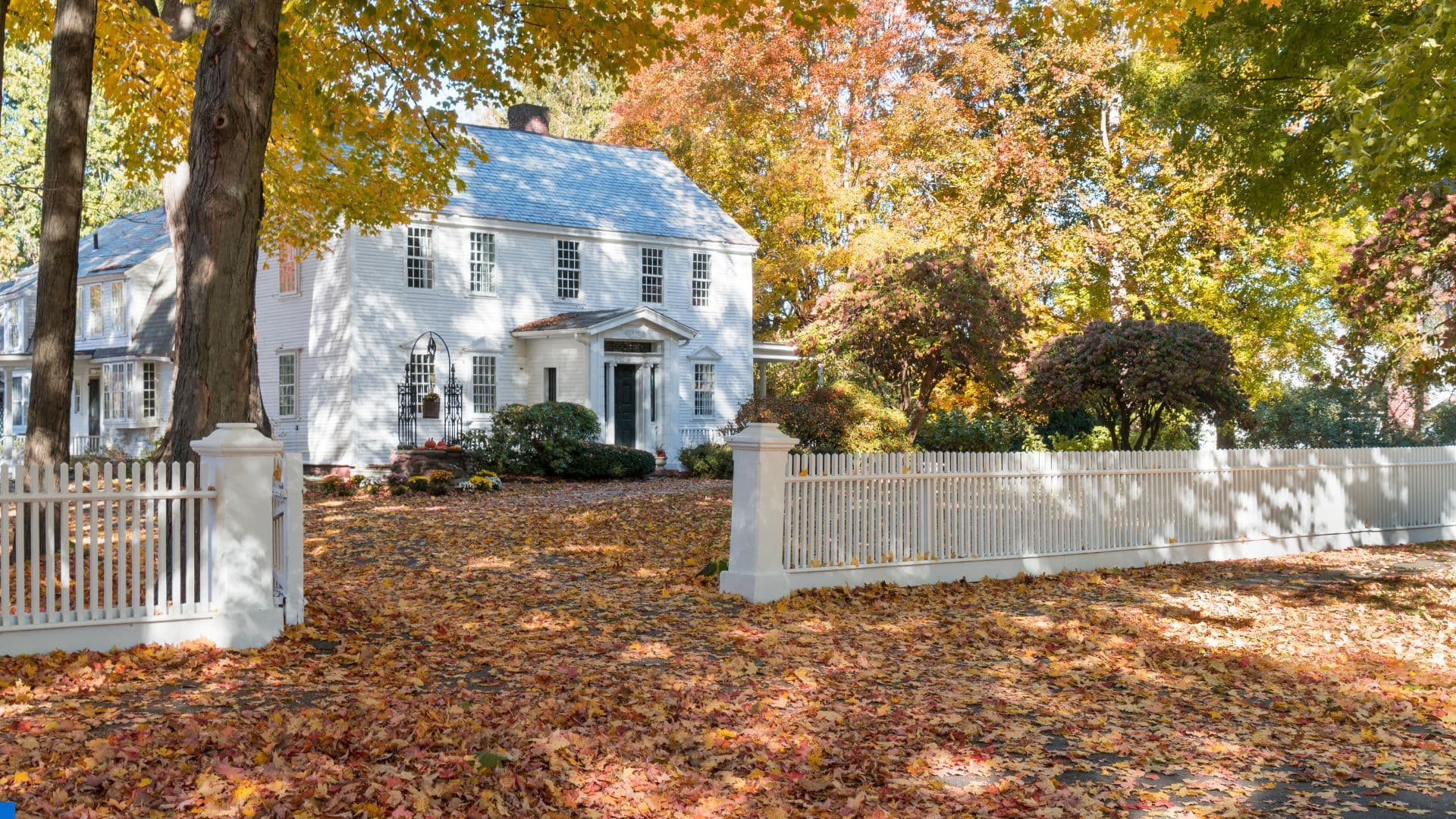
The neighborhood was developed in the 1920s and 1930s, and that heritage shows on every block. You will find Spanish Colonial Revival, Tudor, Mediterranean, and early Modern homes on deep, tree-canopied lots along curving streets like Contour Drive and Olmos Drive. The canopy coverage — massive live oaks arching overhead — creates an atmosphere that newer neighborhoods simply cannot replicate no matter how much money is spent.
The Olmos Basin greenbelt borders much of the neighborhood, giving residents access to walking trails, open green space, and the natural drama of the creek corridor. It is a genuine urban oasis, sitting minutes from downtown San Antonio, the Pearl District, the San Antonio Museum of Art, and some of the city's finest restaurants.
For buyers relocating from Austin, Dallas, or out of state, Olmos Park reads as the San Antonio equivalent of those rare urban neighborhoods where architectural integrity, walkability, and prestige converge. There are very few places in Texas that deliver this combination.
What You Can Expect to Pay — and What You Get for It
Olmos Park is not the most expensive neighborhood in San Antonio, but it offers something The Dominion cannot: genuine history, architectural character, and a location that puts you at the center of the city's cultural life rather than on its suburban periphery.
As of spring 2026, entry-level homes — typically smaller bungalows or mid-century properties — start in the high $600,000s. The sweet spot for a well-maintained three- or four-bedroom home on a generous lot runs from approximately $900,000 to $1.5 million. Fully renovated showpieces and larger estate properties regularly trade above $2 million, with the most significant historic homes occasionally reaching $3 million and beyond.
What buyers consistently tell me after closing in Olmos Park is that the value feels different here. The combination of location, lot size, architectural quality, and sheer rarity of inventory creates a sense of permanence that is hard to put a number on. Properties do not come available often — and when they do, serious buyers move quickly.
My AIFD design background gives me an eye for spotting the difference between a thoughtful renovation that honors the architecture and a flip that compromises it for a quick sale. I always flag this for my clients before they fall in love with the wrong version of the right neighborhood.
Is Olmos Park Right for You?
Olmos Park attracts buyers who value authenticity over newness, who appreciate craftsmanship, and who want to be connected to the texture of a real city. I work with physicians and attorneys who want a five-minute drive to the Medical Center or downtown courthouse. I work with empty nesters downsizing from larger suburban homes who want walkability and culture in return. And I work with relocating professionals who have decided that Olmos Park is the address that best reflects who they are.
Inventory is genuinely limited — the neighborhood is built out, and new construction does not exist here. That scarcity is part of what makes it valuable, and it is also why timing matters. If a property comes available that meets your criteria, waiting even a week can mean losing it.
If Olmos Park is on your radar — or if you are just beginning to explore San Antonio's most distinctive neighborhoods — I would love to walk you through what is available. Visit scottcpeck.com or call me at 210.264.2507. I'm Scott C. Peck with JBGoodwin REALTORS®, and this is exactly the kind of conversation I was built for.
Frequently Asked Questions
Is Olmos Park its own city or part of San Antonio?
Olmos Park is an independent municipality with its own city government and police department, though it is geographically surrounded by San Antonio. This is why the neighborhood has maintained its character so well over nearly a century — strict local zoning protects it from the development pressures that have changed surrounding areas.
How often do homes come up for sale in Olmos Park?
Very rarely. Olmos Park is fully built-out with no new construction, and residents tend to stay for decades. In a typical year only a handful of properties come to market. Working with a knowledgeable agent like Scott C. Peck at JBGoodwin REALTORS is essential — acting quickly when a property becomes available is often the difference between getting in and missing out.
What neighborhoods are comparable to Olmos Park in San Antonio?
The closest comparables are Alamo Heights, Terrell Hills, and Monte Vista. Each has its own character: Monte Vista leans Victorian and historic, Alamo Heights offers a strong school district and retail corridor, and Terrell Hills has quiet, well-maintained streets near Fort Sam Houston. Olmos Park is generally considered the most exclusive of the group due to its size, zoning discipline, and greenbelt access.